From Garage to Roastery | Daysol Coffee

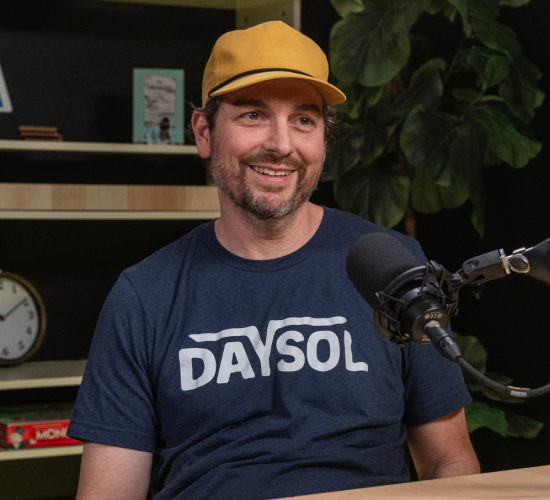
Burt Davis wearing a DaySol Coffee shirt speaking into a microphone during a podcast interview on The Localist.
Burt Davis, co-owner of DaySol Coffee, talks with Carrie Rollwagen about building a specialty coffee business from backyard roasting to a Birmingham roastery.

Show Notes

From Backyard Roasting to Birmingham Roastery: The DaySol Coffee Journey

What starts as curiosity can turn into something much bigger.

In this episode of The Localist, Carrie Rollwagen sits down with Bert Davis, co-owner of DaySol Coffee, to talk about how a backyard coffee roasting hobby in Colorado grew into a thriving specialty coffee business in Birmingham, Alabama.

What began with small countertop roasters and experimentation in a backyard eventually evolved into multiple retail locations, wholesale partnerships, and a newly opened roastery in the Pepper Place district. Bert shares how DaySol Coffee developed step-by-step, learning business systems along the way rather than trying to scale all at once.

During the conversation, Bert and Carrie discuss:

• Building a business partnership based on trust
• Growing a coffee company through small, sustainable steps
• Expanding from garage roasting to retail locations
• Managing commercial build-outs and new spaces
• Delegating creatively as a founder
• Avoiding burnout while running a small business

For entrepreneurs, coffee professionals and small business owners, this episode offers practical insight into scaling a business while staying grounded in community and relationships.


Mentioned in This Episode

DaySol Coffee Lab
Website: https://www.daysolcoffeelab.co/
Instagram: https://www.instagram.com/daysolcoffeelab/

Bluff Park Coffee Collective: https://www.instagram.com/bpcoffeecollective

Good Neighbor Baking: https://www.instagram.com/goodneighborbaking/

Bandit Pâtisserie: https://www.instagram.com/banditbham/


Thanks to Our Sponsor

The Localist is sponsored by Infomedia, a Birmingham-based web and digital marketing company that helps small businesses find big results online.

Contact Infomedia
https://infomedia.com/contact


Join Us at Localist Lab

Want practical marketing insights you can implement immediately?

Localist Lab is our free live marketing event series designed for small business owners.

Each event features marketing experts from Infomedia and partner companies sharing actionable strategies for growing your business online.

See upcoming events and register
https://infomedia.com/events

(We update the current event there, so check back often.)

Episode Transcript

Carrie  

Welcome to the localist, a podcast for small business owners, where we talk about the highs and lows of building community through entrepreneurship. I’m your host, author of The localist book and small business consultant Carrie Rollwagen, the localist is sponsored by infomedia, a Birmingham based Web and Digital Strategy company where I work as senior vice president at infomedia, we believe small businesses deserve big results online today, we’re talking with Bert Davis, who is co owner, along with Peter Solis of day soul coffee, that’s where the name comes from. Davis and Solis, by the way, as you’ll hear today, day soul started in Bert’s backyard when he lived in Colorado. They’ve had a few locations now. They’re currently part of bluff Park coffee collective, and they just opened up a roastery, actually, almost across the street from infomedia, which is where I work. It is on Third Avenue South, if you’re familiar, where the old ghost train was, or uproot brewing was, they’ve taken over that space, which is really exciting to me, because I love to see a new coffee shop, especially when it’s across the street from me. So Bert and I cover a lot in this episode, we talk about working with business partners. We talk about how if you let it, a small business, can kind of suck up all of the air in your life, and how it’s important to nurture the friendships that you have and truly nurture your own interests and hobbies outside of the business as well. We also talk about how to know when to expand and how to know when to leap, even when you don’t have all of the information available. If you are already a small business owner, I think you’ll find a lot to relate to in this episode. And if you are somebody who has a hobby or a passion that you’re wanting to develop into a business, I think Bert really gives a clear blueprint for how to do that successfully. We cover everything from the notes and flavors of our favorite coffees to how difficult it is to manage a build out. So I really hope you enjoy this episode. Well, welcome to the podcast. Thanks. I’m I feel like I kind of manifested your space because it’s right across the street, basically from our office. So we’re really lucky now to have another coffee shop. But that probably is not how you feel about it. You probably feel like it’s a very long journey. So I guess maybe let’s start. I’m kind of maybe let it start from more of the beginning and chronologically. Just talk about, like, how did you get into coffee? How’d you go from I drink coffee to I’m gonna get into the roasting game? Because that’s, yeah, that’s a lot, yeah. 

Bert Davis  

So I lived in Colorado for 11 years, and I was, like, a casual coffee drinker out there. It was a utility type thing. Of it is visited the Starbucks and got, you know, your sugary drink from time to time. But most of it was, I didn’t know a lot about the specialty side. And then our kids coffee in Denver was pretty big, like breweries are pretty big out there. So there was a coffee shop across the street from our kids school, and they roasted their own. And I started going in there and start, I was, you know, I noticed a difference, so I was curious. They also sold bags of green coffee beans that you could buy, okay, like, a pound of it. I didn’t even know what that meant, yeah. So, so I started talking to them. They showed me around. They had these little countertop roasters that they also sold. So I got one of those as a present for my birthday one year, yeah. And that kind of sent me down the rabbit hole of YouTube videos. And what is coffee roasting, and how does all this, you know, the science behind it, and stuff like that. So, and I had a science background, medical background, so it really intrigued me a lot. So that’s kind of how I got into it. Then the next thing I know, I’m roasting in my backyard and selling to my co workers. And when we went to move here to to Alabama in 2019 a good friend of mine, Peter, who’s my business partner, Peter Solis, he he said, Hey, are you going to continue this in Alabama? Because if you are, I’d like to invest in it and be part of it. So so we moved out here, and soon we were in a garage in Woodlawn, like in the corner of a garage in Woodlawn classic. Exactly from there, we’re like, alright, if we’re gonna be legitimate, we need a, like, actual storefront space or something. So then we had a space in Old Town, Alana, which was a small, little bull space. We were we started out roasting in that space, as well as having a shop. We moved the roaster into a larger warehouse eventually. And then in 22 and a half years ago, bluff Park coffee collective became an opportunity to park. There with a neighborhood bakery there that we were friends with and and start that. So we moved all of our operations into that building, and then we were roasting in a warehouse still. 

Carrie  

So that’s already a lot of moves. 

Bert Davis  

Yes, that’s a bunch of moves. Yeah,

Carrie  

Garage wood line to Alana Yeah, yeah. Well, is that? Has that been exhausted? Because especially with coffee, I guess I mean roast is roasting as temperature dependent as like an espresso machine is? I feel like the espresso machine you’re having to dial in constantly? 

Bert Davis  

Yes, I always look at the roasting and the brewing the barista, it’s really two different disciplines, right? You know, you’re roasting of the coffees. Is a whole nother science. There’s some correlation, but you’re there’s no water involved in the roasting process, but there is in the in the brewing process. So they’re both really important, but kind of dependent on each other, but also totally different from each other. So it is two different disciplines that you have to learn through the process of it. And it’s kind of trying to think of a comparison in the food world, because I like comparisons. But you know, it’s, it’s, it definitely is. And it has been exhausting, but I think that if I had started out where I am right now, or tried to from the beginning, I probably would not be here. Yeah, and a lot of that’s just because I learned the business part of it in little, small segments, rather than just a fire hose of information all at once.

Carrie  

Yeah, which I think, I mean, personally, it does feel like, if I had known what I was, what I was getting into, would I have done it? I don’t know.

Bert Davis  

Totally, yeah, totally 

Carrie  

Well, when you were first roasting what, like, I guess, describe, like, what you’re going for, like the character of your coffee and kind of the things that you found interesting about

Bert Davis  

That, yeah, so what? What turned me off a lot from your big box coffee places, was the dark, burnt, roasted and a lot of that was just getting buried in sugar, because the coffee really didn’t really taste that good, and I wanted to stay away from that. So as I started to learn more, I started to learn about the flavor characteristics of coffee and roasting to different levels to bring out those flavor characteristics. So everything I do, most of it’s a medium roast. I do a couple light roasts, but most of it’s medium and none of it’s dark roasted.

Carrie  

Yeah, I think, like Starbucks, I think goes for a darker roast, because it’s consistent. Like, you can always, like, if you burn it, you can always burn it, yeah, which it’s cool to like Starbucks, but, like,

Bert Davis  

Some of that too, is in the quality of what you’re buying to begin, yeah, you know, and some of that is, there’s exactly, you know, it’s the and I totally understand, because coffee is definitely a numbers game, yeah. I mean, it’s definitely a volume and it’s pension pennies. And, you know, the profit margins are not enormous So,

Carrie  

But it is fun when you can kind of like, do a lighter roast or a medium roast, just so for people listening, you can kind of like, taste those flavors more than if, like, if you burned anything, you wouldn’t really get the flavor.

Bert Davis  

I’m working with a coffee right now that I want to eventually have, maybe on a pour over, but it’s got notes of strawberry. And it’s like, I mean, I’m not, yeah, it’s not like, maybe that tastes like strawberries. It’s not like a wine that it’s like, um, yeah, peppery notes, sure. But no, it is like, I smell strawberries, I taste strawberries. 

Carrie  

It’s really cool when people do that. Like, we used to get in Ethiopia, at my old shop a lot that was very blueberry, yes, forward and almost to the point that it would distract people, like, if you didn’t know what you were tasting. So we would actually serve little blueberry muffin samples with it, because then you’re like, Oh, your brain is like, oh, blueberry. Really cool.

Bert Davis  

Yeah, I’ve Ethiopian is probably some of my favorites, for that reason, because you can get such wild differences, and they’re really fruity or floral most of the time.

Carrie  

So, yeah, yeah. So, yeah. So is it just so it’s, it sounds like you’re kind of like, it is really fun for you to figure out, like, what notes can we bring out from that coffee? Yeah. And that’s what, even I would guess in the backyard, that’s kind of what you were, yes.

Bert Davis  

Funny story on the backyard is, the reason Peter and I got connected is because I was in October, I was roasting literally in my open backyard in Colorado, and it was gonna snow, yeah. And I was like, hmm, what am I gonna do here? And Peter’s like, well, you can use my garage at my house. So I started going over there, and we would sit around and roast and talk about coffee, because I didn’t want to get snowed on in my backyard.

Carrie  

Well, that is really cool when you were doing it in the backyard. Did you have it like? What did you call it? Did you have a name?

Bert Davis  

No, I was just, yeah, just selling to friends and. Family and just Brad coffee, yeah, just learning it and having fun

Carrie  

Yeah, that’s cool. So that’s kind of like he fell in love with it too, because you were in the garage.

Bert Davis  

I think he fell in love with maybe my passion about it, yeah, you know. And I think he says, I think I might have this written up on the website or whatever, but he didn’t even really care about coffee until we started getting together and having, you know, coffee together, roasting together. And he, I was teaching him about talking about it, things like that. He’s like, Oh, wow, there really is a difference, yeah, and I can see your passion in it.

Carrie  

So which is, I mean, I don’t want to get too I don’t know whatever about this, but I think that’s one of the coolest things about coffee, is that is like the community that builds around it. Because, you know, you meet up for coffee, you have Larry, there is a lot of community involved in it. So I don’t think that it’s maybe unusual to say we’re going to be business partners and send somebody to Alabama and started but, you know, but it’s not unusual to, like, have friendships that develop. That’s right, so, and that is an interesting kind of, maybe tell me a little about your partnership as business as business owners, because I do think that’s cool and a little unusual to be like, Okay, you’re taking this away, but now, now I’m gonna help. Now I’m gonna put some money behind it. Like, yeah,

Bert Davis  

Totally Yeah. So, when we started out, let’s see, 2019 is when I moved here, and there was a little bit like of a startup investment. And I think at that point we we didn’t really even know what we needed, yeah, because we didn’t even know where we were going or what we were we didn’t have a space, you know, 

Carrie  

Were you moving for your jobs or family, 

Bert Davis  

Family, yeah. And, I mean, it became commonplace for beans to just be piled up in my living room or somewhere in the house, and shipments are coming to my house for different things. So So when we started, we didn’t really know what kind of investment, what is this even going to look like? And so we were Peter and I were we both had regular jobs, and we were both, like, putting 100 bucks out of our paycheck every week, yeah, every two weeks to to just kind of keep pushing, putting money into, you know, we’re like, we don’t know where this is going. We don’t really know what we’re doing, but we see something here. And so with him being there and me being here, there was a lot, especially in the early, early days we talked about every day, yeah, every decision was really, you know, micromanaged and kind of funneled through both of us. And I think that was important, that it had to be that way. But as we’ve grown, kind of, not only trust has grown, but systems have grown, and now, I mean business wise, we talk once every month or two? Yeah, you know, we’re not, there’s not a lot, or there’s a major decision or something like that. Like, when we made this move over here to downtown, we talked a lot through that process, yeah? Well, we’ve tried to be like, All right, let’s be friends still now, like, yeah, because it’s hard when you’re friends with a for sure, when your business partners with a friend, yeah, kind of like when your spouse is involved in helping us, that starts to be all you talk about. And you’re like, Okay, we have a relationship outside, so try to be careful about that. Yeah, and he tries to come out, you know, once, twice, a few times a year, yeah, to visit. And so, yeah, we’ve kind of developed it as the business has matured, where it’s less dependent on that, like, constant communication, yeah, so,

Carrie  

Well, I do want to ask, Well, okay, I want to ask two things. One, one, I just thought was cool, what you said about systems and trust. Because I actually think when you start to build a business like, systems, like allow you to trust, if that makes sense, like, it’s like, you know, whose lane is what and but kind of, how have you, like, kept up the friendship side? Is it like we also like books or sports and we talk about that?

Bert Davis  

Yeah, we’re also runners. Okay, so, yeah, he runs. He’s a lot younger than me, but he also runs more than I do now at this time my life, but, but yeah, we that was kind of one of the things that formed us, yeah, a friendship in the beginning too, as we both like to run, yeah.

Carrie  

So now I think that is really helpful. Like, I mean, a little bit somewhat, like we talked about a little bit before, but my husband owns a business, and actually also works for infomedia, so we it is really hard to not to get out of that. Like, what are

Bert Davis  

We well, and I think too, for, like, my wife, she’s not a business partner, but she’s my wife, so and she works and helps out and does when you own a business, anybody that’s willing to volunteer is volunteering. So she volunteers for the business. So in a lot of your ideas get Bo whereas if I had a regular job, I’d probably clock in, clock out, right? We may talk a little bit, but at the end of the day, I’m gonna go home and not think about my job. Yeah? But when you own the business, it’s 24/7 Yeah? So having to be able to, over time, learn to that like I have to disconnect at a certain time every day, because if I don’t, this business will need it needs me. It’s like a baby, you know? It could need you. 24/7, if you allow it to,

Carrie  

Yeah, to do that. I love that. I mean, I totally agree. So do you have kind of like a time you try to clock out? Or is it just like, by dinner, I try to whatever I

Bert Davis  

Try, yeah, and the day is dependent upon whether I stick to it or not.

Carrie  

I think there are seasons too. I mean, like you just got a new space. So it’s probably, I do think there are like, months that it’s kind of like, okay, this is our Yeah, our things, yeah.

Bert Davis  

And we’re in a big growth phase right now, so we, not only would you get a new space, but we’re we’ve also got a lot of we’ve got several new staff members coming in that we’re trying to train everybody. So we’re, in a sense, short staffed until we get them trained. So I’m pulling a lot of hours behind the bar and stuff like that until we get all those. So when I’m behind the bar, I can’t do a lot of the business stuff that that ends up spilling over into the afternoons and evenings, right? But it’s a season, yeah.

Carrie  

Okay. I’m trying to figure out, like, where we were in the story. So you guys came down here, how was it? Kind of tell me about the space in Old Town, Alana, like, what that area is like for people who haven’t been there, and how that

Bert Davis  

How that went. It’s a really cool area. It looks like it comes out of a Hallmark movie, yeah, if you haven’t been there, it we were in a small it used to be, it was a building that was there. I mean, it’s been there for years and years and years, but it used to be like a in the early founding days of Alana, it was like a depart, not a department store. It was called Ruffin brothers, and it was they sold everything from hats to shoes to coffins to anything that people could need, you know, so, but over the years, it had been a dentist office and a law office, so it had all these little chopped up rooms in it, and it was small. So what we did was we make that. We made all those rooms like individual seating rooms, so you could go and sit kind of privately by yourself in a quiet room if you wanted to. And it was a good phase for us. I think it allowed us to, we don’t. We didn’t have the volume of business there that we see in bluff park or we see downtown, but it helped us to, on a micro scale, kind of learn some of the systems in our businesses, business and things that worked and didn’t work.

Carrie  

Yeah, when was it? I guess I was it? I guess I was gonna say, is it different in Alabama, but you didn’t have a shopping color, right? So obviously it’s different. Yeah. When did you start wholesaling? Is that a big part of your business? Because I know you’re in the pig.

Bert Davis  

Is that, right? Yes, yeah, yeah. So not long once we had, like, a legitimate space here where we were certified and all that, that’s when we reached out to the Piggly Wiggly stores and got in there, and that was so, like, one of my first jobs growing up was in the Piggly Wiggly when I was in high school. So it’s like, oh, I’m in the Piggly Wiggly. Now, that’s kind of cool, but they, I mean, it’s

Carrie  

Also it’s somewhere that other people know about, yeah, like,

Bert Davis  

Kind of legitimizes you to a little bit like, Oh, I’m in the Piggly Wiggly Oh, okay, okay. But it allowed us to get in front of a lot of people that we wouldn’t normally have without a storefront and things like that, where we could reach downtown Burma because we’re in Claremont and Crestline and places like that that people wouldn’t know about us being in Alana,

Carrie  

Yeah, so you did that pretty early on, yeah.

Bert Davis  

And it was, it was, it provided some much needed funds to kind of, yeah, make it where Peter and I didn’t have to pull out of our bank, pull out of our direct deposits from work every week.

Carrie  

What is that like? Is it just like we’re already doing the bags and you just do, I mean, I know the I know Piggly Wiggly does a lot of like, local suppliers. But is it just kind of like I bring them in a van and give them a box, or is it that you need to, did you have to promote to get people to understand it? Or was it just kind of like it’s on the shelf and they’re going to try it

Bert Davis  

So we the way they kind of work is you meet with them. Piggly Wiggly are independently owned, which is something that’s really cool about them and unique. And in our area, there’s a couple families that kind of own multiple, multiple locations. So we, I met with the main kind of a manager who manages, you know, most of them in Birmingham, and we went through and he looked at our product. We talked about it. Kind of talked about, you know, what we wanted to do, our cost, their, what they could pay for it, and all that stuff came to an agreement on it. And then, you I kind of go, I keep up with inventory, and I carry them in there and put them physically on the shelves. They don’t, they don’t do any other restocking on it. And that’s the case for most of the small local places. And then from there, letting people know it’s, I mean, we haven’t done a ton of other than our own social media. We haven’t done a ton of, like, external advertising. We ran some promotions through them, of like, this is the Labor Day Sale is, you know, here’s a sale on this coffee bag, stuff like that.

Carrie  

Well, I do think for coffee. I mean, like, we ran into clay, who works here in the lobby, and. He was, he had been, just been saying, like, he tried it, I think the first time he tried a just, I think he might have seen it on the shelf, but I do, it does make sense that that is something that you’re buying coffee, you see a new brand, you’re like, well, it’s somewhat vetted because it’s here, yeah? Like, I might as well

Bert Davis  

It’s a great entry point for sure. Yeah, yeah.

Carrie  

Um, so, okay, so you had Alana, and then how did the bluff Park collective kind of tell people what that is like your partnership

Bert Davis  

With Yes. So when we were in Helena and we had our shop there this, it was a right after the pandemic. During the pandemic, one of our neighbors, Ramsey Nuss. She had started Good Neighbor baking, and it was sort of brought out by the pandemic. And she can, I won’t say too much, because I may butcher it, the story of it, but she’d kind of started as a way to do baked goods for her neighbors and things for neighbors, and she does custom cakes and things like that. So she had been kind of running it sort of out of her home, and was ready to expand. We knew that we needed to probably move out of Alana. I wanted to be somewhere I live in bluff Park. So I wanted to be somewhere close. We were both neighbors. So we got together and kind of talked about this space. It was joyful. Food Company was there before us, and they were looking to leave, and so we went and looked at the space. It had a bakery set up in there. We would need to outfit it to have a coffee bar. But we felt like, Hey, this is an opportunity for us to provide a really good quality shop that has great baked goods, great coffee in the neighborhood that we live in, it’s a mile from, you know, it’s really close to both of us, yeah, which makes it easier to manage, yeah, and it was kind of a next step for both of us. I mean,

Carrie  

Having a space that’s built out for even part of the business is really nice, correct, yeah, and a bakery to a coffee shop is not as big of a lift as a retail store,

Bert Davis  

Right, right, yeah, yeah. So it wasn’t terrible, um, I

Carrie  

Feel like, as long as the waters, it’s getting water. I feel like that’s a lot of

Bert Davis  

Yeah, yeah. And all your, like, health department stuff was already there, the three compartment sinks and things like that that they require, that was already there. So that was big. So, and when we started it, the day we grand opening that we opened and opened it. We were like, Okay, well, this worked because there was a line, like, down the street, I think we did like, 500 drinks that day in this small because it’s not a big shop, it’s a really small shop, and people just have poured in, and the community has just been super supportive of it.

Carrie  

Well, it’s also nice. I mean, because you guys live there too, feel like sometimes it is important to respond to the space, like the area where you are, which I think, I mean, from the reviews I read, I think you also did in Alana, like you didn’t live there, but it sounded like you’re responding to, like, what that area needed, yeah, and I think that’s something that I think most small businesses do well, but you have a lot of businesses will come in. Maybe there’s a place, they have a place in Nashville or Atlanta or something, and they kind of just like, copy and paste it. And a lot of times those don’t work, because I do think responding to the neighborhood is important, yeah, every community.

Bert Davis  

I mean, that’s why you’ll see our shop in bluff Park is much different than our shop downtown. Some of the menu, I mean, the the menu doesn’t vary that much. There’s some consistency for for customers sake. But, yeah, it’s a different feel and a different vibe and a different because they’re different communities,

Carrie  

Yeah, yeah, definitely. So what were and honestly, like, then you you almost have another business partner. I guess, do you own the collective to like the

Bert Davis  

We just own our individual businesses. Because we were trying. When we opened that space, we were like, well, we don’t want it to be called day soul and good, like we got to have something that cohesive, cohesive and is easy to remember and provides a community type feel. So that’s why we came up with this collective idea, yeah, and then it being in bluff park, so we’re like, why don’t we call it this? Yeah, it will really, the brand that we really want to push are our individual brands. We’re here to support our own individual brands. But this gives it more of a it’s, I always tell people, it’s kind of like, if you think about posits food hall, like, that’s just the space, right? And you have all these individual businesses in there that are doing their own individual thing, yeah? And that’s kind of how we looked at it, yeah, this is a space, yeah, with two businesses in it,

Carrie  

Which, I think that makes sense too. I mean, I think a lot of people try to put the businesses together, and that can get really messy. Like, sometimes it’s less pressure to just be like, this is we’re doing our own, like, business decisions. We’re keeping separate.

Bert Davis  

Now we’ll say we’ve had to work really hard to, like, do a lot of customer education that we are two separate businesses. We, you know, moving downtown. It’s HEY. That’s bluff Park coffee collective. Yeah, this is day soul coffee downtown. Because I think some people have thought that it’s exactly the same, but it’s not exactly the same.

Carrie  

I mean, in your pastries downtown are from bandit, okay, so, yeah, so they’re obviously differences there, but I think doing what you did, and setting up the collective allows you to do that also, and I would assume allows the bakery to do that as well, like, which is nice for both of you to still have that kind of

Bert Davis  

And we both kind of share the financial responsibility, but it it allows us to not drown in rent and things like that.

Carrie  

Now, in that space, do you share staff, or do you have separate staff? Okay, okay, so you always have somebody baking serving pastry, or is it, is it just that the baristas also bring up the pastries?

Bert Davis  

Or, yeah, so our staff is the front of the house and their staff is the back of the house, okay, that makes sense, and we just kept it separate like that. It’s a lot

Carrie  

Cleaner, yeah, which is similar to, I mean, kind of what you’re doing downtown, and that you’re you get pastries from Band Aid. Yeah, they’re not baking in your space. I don’t imagine, right? Yeah, yeah. So that makes sense, and that kind of sets you up with that system for future, yeah, projects too. So how long is? How long was bluff, bluff Park coffee collective, there before you were you always looking for another space? Or did you feel like you kind of outgrew it? As far as so we

Bert Davis  

Bluff Park coffee has been two and a half years that we’ve been open. I have still had a roasting space in a warehouse in Pelham that I was roasting up, but it was just a warehouse. No retail side to it. Our lease was ending there, so we were looking to make a move. And I, ironically, I ever since I moved to Birmingham, I’d always gone to pepper place. I’d always driven by ghost train and thought that is a really cool building. Yeah, I would love to, because in my in my time in Colorado, breweries were big out there. I love brewery tours. I loved that, like warehouse feel, where you were kind of part of the whole process. There’s a roaster out there called Sweet bloom that’s pretty well known, and I got to know them well, and their space was very much set up in this like you could sit at the bar and drink your coffee, and you could see them roasting and packaging and doing the whole process, yeah, so I’d always had, like, that’d be a cool building to do something like that. Yeah. Never did I ever imagine that I’d actually be in the building. Yeah. Never. I wasn’t, like, seeking after it, yeah, all these years I’ve been following that space, but I saw the brewery that was uproot, that was in there, posted that they were closing, yeah, and about the same time, I knew that we were going to need to leave our warehouse in Pelham. So I’m like, Hmm, I wonder. So I messaged them, I got the kind of layout of the space, the costs and all that stuff. And I was like, that’s that’s doable. Let me go look at the space. So I came and looked at the space, and it was like, I mean, sinks were where I needed them to be. The bar was built the place where I needed to I need a gas line and an exhaust venting for my roaster. It was exactly where I needed it to be. Like, everything was like, I need to clean up in here, and I need to do esthetic work, and I needed to make it my own space, but I don’t have to do a lot of the Yeah, really expensive work,

Carrie  

Which that that is so huge. And I think if you’ve done a build out, you know that, which you had,

Bert Davis  

I mean, if you priced out flooring in your house, you realize that, wow, that’s yeah, no, multiply that times? Yeah, a lot, and that’s what you have to deal with in a commercial space.

Carrie  

I do think this kind of echoes. So my husband owns a jiu jitsu gym, and we outgrew our space in a couple years, like a similar timeline. And when we did our new build out, I was like, This is the worst time to do. It’s a good time for customers to see that you growing. It was the worst time for us, because I’m like, we haven’t forgotten how bad the first build out. So I feel like you’re in a similar situation. You just done both part.

Bert Davis  

I forget quick, though. My wife will tell you, I’m like, wow, after this one, she’s like, You have said that before. And I’m like, I don’t know what else I mean, this space over here is so big and can do so many different things that I’m like, I don’t know what else I could ask. I mean, I don’t know what else I could ask for. Everything’s here, you know.

Carrie  

And I think that’s important too, to be able to leap when you see, like, Okay, this is 70% of what I want. I’m probably not gonna find that. I think one thing I think is tough owning a business is that you almost never get 100% of the information, and you just have to do it anyway. I mean, when we looked

Bert Davis  

At my wife and I came and looked at it before I had signed anything, and I just said, Hey, I went and looked at the space. I feel good about it, but I need you to come make sure I’m not crazy. Yeah. And she looked at and said, Yes, you were crazy, but I do believe that this might be the right decision. Yes, this is kind of exactly what we need.

Carrie  

Yeah, well, other than, I mean, some of that stuff was exactly where you wanted it. What? How did you go about kind of making it feel like your space, like you mentioned.

Bert Davis  

So we did all the work in there. We I had had plumbers and an electrician come in and do some, like, general clean up stuff. But 90% of the work in there we did myself, and none of that was structural or anything like that, but like, painting and esthetics and things like that. So Matthew is a guy that works for me. He’s a UAB grad. He’s a design and sculpture grad. He does all of our graphic stuff, and he has an eye for design and stuff like that. So I told him early on that, like, Hey, this is your space. So yeah, clear everything with me. Make sure, hey, we can one, we can afford it. Two, that it’s not so far out there that I’m not like, no, but yeah. But he did a lot of that, of like, Hey, I’d like to do this. I like this color. What do you think about it? Stuff like that. So just really making it our own, moving some things around. And you’ll, if you go, you’ll feel like, well, this does feel like the breweries that have been here, but not right? Yeah, you know.

Carrie  

No, I think it has a different character, for sure, and it seems it probably doesn’t feel this way to you, but it seems like you turned it over pretty quickly,

Bert Davis  

Three months. Yeah, that’s pretty quick. Yeah, that’s really quick, well, and it’s because that was the other thing. Once you, once you sign a lease on a space, your financial clock is ticking like you are. You’re paying, yeah, and you’re not making any money, yeah, you’re actually spending money, a lot of it. So you’re like, all right, I gotta get this space as quick as I can.

Carrie  

We were seeing it like, out the windows. We’re like, oh, they painted there. They painted a new sign. They paid the building, yeah, which looks really cool. Like, if you’ve been over here you probably saw, like, I think ghost train had it painted, and up brew had it painted, and then you guys had to paint over it anyway. So you did it. Did you do a new sign because you had to, or just because you’re like, this works?

Bert Davis  

Well, we knew, we knew we needed to paint over, you mean, the logo, the mural on time. We knew we needed to paint over the old ones that were up there. And then we’re gonna have a black building, which was, you know, fine, but we’re like, we need something that when people are passing by, it really stands out, yeah? So that logo, or that’s that mural that you see on the side, there is a does a design that Matthew did. Yeah, I’m a huge Bigfoot fan. Yeah, randomly, just Yeah. And at some point a few years ago, we did, like, a special, random blend, and I was like, I want Bigfoot on this blend. Yeah. So he became this, like, character, yeah, like we have now snuck into our brand. And, yeah, if you look at our our wanderlust, which is our most popular blend, yeah, it’s our espresso. We use it for cold brew and everything. If you look at the labels on there, there’s a Bigfoot, like, there’s, it’s like a forest scene on there, and there’s a little Bigfoot, yeah, hidden in there. I love that, yeah. So he’s kind of made it, made his presence, yeah?

Carrie  

It’s funny when you have that character, like, I think Mr. G’s pizza has Mr. Pep it’s like a little anthropomorphized pepperoni. Yeah, I think you can get, like, free pizza for life if you get a tattoo. But I’m not that that’s pretty funny.

Bert Davis  

The funny thing is, so that the way that kind of got designed was we, we were gonna put it on this, this special blend we did. So we were gonna, we had these plain craft colored bags, and we were just gonna stamp the Bigfoot on there, yeah. So Matthew got a P, I don’t know that I’m gonna butcher this from an artist standpoint, but he got a big piece of rubber, basically, and he carved that into the rubber, yeah? You dip it in the ink, and then you stamp it on there. So that Bigfoot was originally just carved on a big piece of rubber, yeah? Like, hand carved, hand design like he did it all. Yeah, totally.

Carrie  

We actually had a printer on little red print shop on the podcast, and she does, that’s how she prints stuff.

Bert Davis  

I can’t. I don’t have that either. I have these ideas in my head, but I don’t know how to actually make them happen. So it’s cool.

Carrie  

I mean being able to, so did Matthew start as a barista with you, or you

Bert Davis  

Started as anything that you will be willing to do. So he started in Alana, and we brought him on, and we were like, we don’t really know what we can pay you, yeah, we don’t really know what you’re gonna do, probably a lot. So he was like, Yeah, that sounds good. So he originally came in to do some design work for us, and then we’re like, do you also want to do barista work? And I remember him doing his first few Latte Art things, and he was like, I’m never gonna be able to do this. Yeah. I’m like, I don’t know about that. Yeah. Now he’s probably one of the best latte artists we have, yeah, on staff. So, so yeah, that’s kind of how it all came. And he’s good, because I have. Ideas, but I don’t know how to make them happen. And he knows how to we see. We have the same visions too. I think of things, so I’m able to give my vision to him and him, yeah, make it what I already had in my head. Yeah, just didn’t know how to, yeah, how to put it out there.

Carrie  

It’s really cool. I’ve like those things are kind of magical. When you find somebody you can work with like that, that you’re just like, okay, they get it, and it does sound like you put trust in Him, also, like even saying, this is your space. Yes, I’m going to sign off or not. But I think that’s difficult for a lot of small businesses. They want to kind of micromanage everything. And I think when you are trying to manage, micromanage things like interior design, it can go sideways pretty fast, yeah,

Bert Davis  

And I tried, I mean it, I will say it took me a while to get to the point where I would start to let things go in the beginning. I definitely did not want, yeah, I could have easily been this. I was one person doing everything, yeah, everything I let go of was kind of like ripping off a band aid.

Carrie  

Yes, I agree. But, I mean, it’s cool. It is always a balance, because sometimes you let go of something like figuring out, what can I let go of, and it’s not going to crash and burn. What will crash and burn if I let go of it? But this is a different business, but I was talking to one of my managers, and they were like, well, I feel like when I’m in the meeting, I do it like 100% and they can’t do it 100% and I was kind of like, Look, if that person can do it 70% they they get to do it, they’ll get to 100% they’ll never get there if you don’t let them do it. Now, if they’re doing it, 30% maybe percent, maybe it’s not time period.

Bert Davis  

Yeah, and I have this thing too, or, like, I believe that I can probably do just about anything, which is a very big curse, but it’s helpful. I do it at home. I do it everywhere. I’m like, and in a lot of ways too, I’m like, like, when I’ll pay somebody to come in and do a pretty simple task at my house. And I’m like, I could have done better than that, yeah, and I paid you to do but, you know, you do have to let go and like, Yeah, but I saved my time, yeah? You know, the last couple years I’ve, I’ve paid a teenager to cut my grass, you know, could I do a better job? Yeah, probably did. I not have to cut my grass for two hours on a Saturday when I was doing something else more important? Yes, so kind of weigh in those two things.

Carrie  

And I just think that’s always that’s a constant battle when you’re running a business, to figure out, what are these things that are important enough, either to the business or to me, like creatively, that I need to hang on to them, and when can I let go and

Bert Davis  

And that spills over into, like, hobbies and stuff too. I think, like, there’s some hobbies I’ve had to let go of. There’s some that I’m like, I don’t want to let I need that. Yeah, you know, well,

Carrie  

It’s like you said, keeping your friendships up. It’s like, also keeping yourself up as a person. I think that it is hard to lose that when you’re running a business, you

Bert Davis  

Get defined by the business. Yeah, you know, you start to define yourself by the business. And that’s all I am. I’m the day soul guy, yeah, yeah.

Carrie  

I mean, when I sold Church Street, I was talking to my mom at some point, and she was like, Well, you know that that’s not your whole community. Those were your customers. And I was at first, I was like, Well, you’re wrong, yeah. And there is crossover, for sure, like some of those customers work my community, that there is community there. But it was important. It is important, I think, to have friendships and to develop things about yourself that are not just like, yeah, totally Yeah. So I think that is smart to be smart, very smart to be doing trying, well, tell everybody about like opening day and how it’s been going. Because when you open not too terribly long ago,

Bert Davis  

Yeah, this past Saturday was a month. So we opened on January the 17th. My My birthday was on the 18th, and I’m like, we’re gonna be open before my birthday. So we were, yeah, no. Grand opening was amazing. We didn’t really know. People are always like, was it more? Was it what you expected? I’m like, I don’t you don’t know. Yeah, what is my expectation? I don’t know. If nobody showed up, I’d be like, well, I expected that. I guess. I don’t know, you know, I don’t know. But we had, I mean, I think we had a bluegrass band that was playing, which was really cool. We wanted to make it an event. We had, we sold out of pastries by probably 930 Yeah, we had a good 500 plus people in the building. Yeah, there were lots and lots of people that came by and said, Hey, I just wanted to come and support you, but I can’t wait in line. Just wanted to say, hi, we’ll come back. Yeah, next week, and then they have and yeah, because I think at one point, and we had plenty of staff, we had. Plenty of skilled, trained people. It was an hour and a half wait to order and then a 30 minute ticket time, one espresso mission. Yeah, it’s a big one, but you can

Carrie  

Only Yeah, and you can’t, you don’t buy three to serve as your opening day.

Bert Davis  

And then everybody was understanding, but it was That’s how busy we were. That’s yeah. We were like, wow. Okay, well, that worked, yeah. And we’ve stayed busy since Saturdays have definitely been our biggest day. Yeah, probably a third of our business has been on Saturday, because the most people in

Carrie  

Birmingham know this. But you’re walkable from pepper place market, for sure. So there’s, I’m guessing it’s spillover from the market.

Bert Davis  

There’s been some, yeah, I think there’s pepper place is just starting. So it’ll be interesting to see this summer, when it’s full force, yeah, and then as people start to find out that we’re actually, oh, we’re actually over there, yeah.

Carrie  

Well, and so that’s good that it’s kind of developing its own Saturday traffic too. So how is the character? Is it? Do you see a lot of crossover in the bluff Park store, and this store, like, is it the same customers? Are you developing your own customer base,

Bert Davis  

Little bit of both? Yeah. So we’re, we definitely are seeing some bluff Park customers that are like, Hey, I work down here, so I’m gonna grab come here some morning, or I’m gonna grab here and then I’ll get my coffee on the way home. Because some people, I mean, a lot of people, are morning and afternoon.

Carrie  

Yeah, exactly. Apologize for that coffee shop owner. I’m like, please don’t apologize.

Bert Davis  

Keep coming. Come three times. So yeah, we’ve seen some spill over. We definitely have seen a lot of new customers. And a lot of people are like, I haven’t heard of you guys and, yeah, some people have been almost like we came out of nowhere. And they’re like, are you guys based in Atlanta? No, definitely based here. We’re definitely as homegrown as it gets. Yeah, yeah. So it’s been cool to meet new people, and we’ve already got consistent patterns with some customers that are coming in every day to work. Yeah, that’s awesome. We but with it being such a big space where events are going to be a big thing, that we’re really going to push you can rent a space out. We can do weekend and evening events and stuff like that. So we’ve already got a few things planned.

Carrie  

That’s awesome. And it’s a good place. I mean, for people listening, I think it’s a good place to just go by yourself and grab a coffee. But it’s also there are lots of places to land if you have, like, a small meeting or something, which I think is nice.

Bert Davis  

Yeah, we’ve got a whole room up front where you can kind of sit and be in a meeting sort all by yourself. Yeah, you can be in the middle of the action with the music, or you can go sit in a quiet corner. I also

Carrie  

Like that you have, you’re kind of serving like, kind of anybody who wants to come. I feel like your teas are good. Who does your teas?

Bert Davis  

Such i which is a local, yeah, okay, company. And then,

Carrie  

And, I mean, I had one, it was like afternoon. It’s too late for coffee for me. Sadly, it was delicious. And you’re doing like a lady bird outpost, is that right?

Bert Davis  

Lady Bird tacos? We mentioned bandit providing our pastries and whole bean. You can pick up bags and retail stuff for sale. We’re roasting it right there in, like, I think we talked about that, roasting it in the building so you can see it all happening.

Carrie  

And I haven’t had your decaf yet, but I was looking at Google reviews, and several of them are, like, they actually pay attention.

Bert Davis  

You won’t know the difference. Like, it’s not like, some decaf. You’re like, that’s decaf, yeah, but it’s, it’s, you won’t know the difference, yeah.

Carrie  

Well, I think a lot of roasters don’t pay attention to it because they’re just thinking it’s not a huge part of what they do. But, yeah, like, I love caffeine, but I can’t sleep if I have an afternoon. So it is nice to be able to be able to still have a latte or something. Well, cool. I mean, I It’s exciting what you guys are doing. And I think hopefully people will hit you up. Find the space if you haven’t already one of the either of the spaces, yeah, but visit the new one and maybe plan an event there or something? Yeah, yeah, we’ve got,

Bert Davis  

there’s, I think there’s 10 picnic tables outside, nine or 10, there’s a stage for music, which we do plan on doing live music as well.

Carrie  

So, yeah, that’s exciting. Are you ever thinking about staying open later, or will that probably be, like, it’ll

Bert Davis  

probably be a special event? Yeah, we’ll probably do we’ve tossed around the idea of doing like a one Friday night a month, yeah? Music event, yeah. We’re gonna do one in March. That’s like a singer songwriter night, yeah, on a Friday night. So maybe that’ll be like our test run to see, yeah, how it goes.

Carrie  

And I think people can also kind of get the feeling for what you’re doing from your Instagram, which is really good.

Bert Davis  

Like the are you?

Carrie  

Matthew, yeah. But I feel like, yeah, like, when I was, when I was at a coffee shop, I was doing that part, which I was not great at, but it’s just somebody has to do it. But yeah, I mean, I feel like you guys are producing really high quality

Bert Davis  

stuff. I’ll pass that along. Yeah.

Carrie  

I feel like that’s a, it’s a nice first entry point for somebody who’s like, I want to try this, but I want to see, kind of like, what, what vibe Am I walking into?

Bert Davis  

Kind of, yeah, totally. And we can, as far as people like, I mean, we can. It’s an event space, so it’s you can. We’ve got people that are going to rent it out, to just use it as a building, yeah, they want to kind of get dinner catered, or something like that. That’s totally fine. We have the barista bar so you can rent the barista barista bar for your event. We can have full, full menu. There’s lots of options too.

Carrie  

Yeah, it is a pretty adaptable space, I think, for that. Well, cool. Well, thank you for coming and telling us your story. Yes, thanks. Thanks for having me. Yeah. Thank you so much to Bert for coming on today. I really I always love talking about coffee I love to hear from other coffee shop owners, and I really hope what he said today is helpful to anybody who’s running a small business or looking to start one. Before we go today, I wanted to share a new, exciting thing we have going on at the localist and that is localist Lab, which is a live event that we’re going to bring you once a month. So at these events, we’re going to have some of our marketing experts and digital experts from infomedia and our sister companies, uptick and tempo. We’re going to deep dive into topics that I know are important to local businesses. I know that they’re important because I’ve heard them from you. So if you’re interested in meeting other small business owners, in meeting some of the experts that I work with, and in getting some free trainings on things that honestly can be pretty confusing for local businesses, join us at the localist lab. Find more details and grab your free tickets in the show note to this episode, or find more at Carrie rollwagen.com the localist is written and produced by me Carrie Rollwagen. Our team includes Hannah craigen, our outreach manager, Taylor Davis, our show runner and our incredible team here at infomedia studios. Today, I’m in the studio with Paul Bryant, and thanks again to infomedia for making this work possible by sponsoring the podcast. So until next time, whether you’re running a small business or buying from one, remember that you’re making our community stronger every day.

About Carrie

Carrie Rollwagen is host of the Localist podcast and cofounder of Church Street Coffee & Books. Currently, she works as Vice President of Strategic Planning at Infomedia, a web development company in Birmingham, Alabama. Find the Localist at @thinklocalist on Instagram and follow Carrie at @crollwagen.

Email with a purpose Let's Keep in Touch

Good news (and practical tips) for small businesses — we're not into being pushy or spammy.